
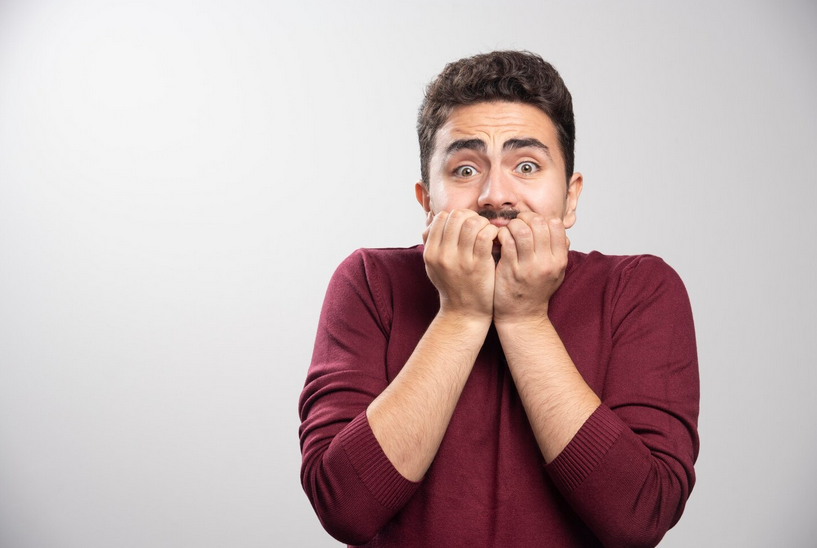
Horror fans love to joke that they would “totally survive the movie,” but casting directors are looking for the person who can make panic feel painfully real. In fact, according to Passive Parenting, we can learn that on camera, fear is not just big eyes and a dramatic scream. It is a layered reaction that starts in the body and ends in the tiny details of a close-up. Even practical things like how you dress for an audition matter, as many acting parents point out. If you want to book a scary role, you need more than jump scare energy.
Fake Fear vs Real Fear on Camera
 Casting directors can spot fake fear in two seconds. If your reaction looks like a theme park photo, they will move on. Realistic terror usually starts smaller than people expect. The body tenses, the eyes track something specific, and the brain tries to stay calm while everything inside says run. Good horror actors pull from real emotions. Maybe it is the feeling of almost missing a step on the stairs or hearing a noise at night when you thought you were alone. They take that tiny spark and stretch it into a full reaction. The result feels grounded, even if there is a rubber monster just off camera.
Body Language That Sells the Scare
Your body tells the truth before your mouth does. Casting directors watch shoulders, hands, and posture very closely. A stiff neck, shaky fingers, or a tiny flinch can say more than a dramatic fall to the floor. Big flailing movements usually read as comedy, not horror. Great actors know how to play with stillness. Sometimes, standing very still, breathing a little faster, and locking the gaze on one point is more terrifying than flailing around the room. The audience starts to lean in and feel uneasy. That is exactly what horror teams want.
Voice, Breath, and Those Iconic Screams
 Fear is not just about volume. It is about rhythm, breath, and timing. A whisper with a shaky inhale can be much scarier than a loud shout. Casting teams pay attention to how your voice shifts as the scene escalates. Your breath is part of the soundtrack. Quick gasps, uneven breathing, or long silent pauses can build tension better than any music cue. Even the classic scream works best when it feels ripped out of the character, not placed there for effect. If it feels honest, people at home will get goosebumps.
Wardrobe, Makeup, and the Horror Aesthetic
You do not need full movie-level makeup for an audition, but your look should hint at the character. If you are reading for the final girl vibe, simple, practical clothes often work better than a club outfit. For a haunted teen role, casting might expect something a bit messier and real. The goal is to help them imagine you inside the film. Experts in audition prep often mention how clothing can support a role, similar to tips shared for stage auditions, according to Passive Parenting and other resources. That does not mean showing up in fake blood. It means smart, subtle choices. Think soft colors for vulnerable characters or darker, layered looks for edgy ones. Your appearance should say “I understand this role” before you even read a line.